

ARTICLES BY DAVID WILBER

Critical Theory is Anti-Gospel Mind Poison
I’ve been researching Critical Theory, which fuels the ideology of many modern “social justice” movements (e.g., BLM), and I’ve found that it is anti-Gospel mind poison. The Gospel is all about reconciliation, healing, and justice; Critical Theory is divisive by design and results in only hate, violence, and injustice.

Making Sense of Biblical Slavery
Ultimately, we morally reject slavery today because we agree with the values expressed in the Torah.

Matthew 5 DOES Prove We Should Continue Following the Old Testament
Recently, a Christian blogger that goes by the name Faithful Philosophy (FP) published a blog in which he argues that Matthew 5:17 “does not prove that Jesus said Christians should continue following the whole law.” I respond to his arguments in this article.

Are the Torah's laws against homosexual activity applicable today?
One of the most controversial verses in the Torah is the ban on homosexual activity found in Leviticus 18. David Wilber looks at this commandment and explains why it is still applicable today.

Are the Torah's Ritual Purity Laws Sexist?
Some feminists cite the Torah’s ritual purity legislation, such as laws concerning menstrual impurity and childbirth, as evidence of sexism in the Bible. This article exposes the flaws in such an interpretation.

Defending Paul: A Response to Justin Best of Christian Truthers
Justin Best of the Christian Truthers YouTube channel released a video giving reasons why he thinks Paul was a false apostle. In this article, David Wilber responds to Justin’s arguments.
God and the Problem of Evil and Suffering
In this article, we look at four questions related to the problem of evil and suffering: 1) Does the reality of evil and suffering disprove God’s existence? 2) Why do bad things happen to good people? 3) What are God’s answers to evil and suffering? 4) How are we to respond to the evil and suffering in our world?
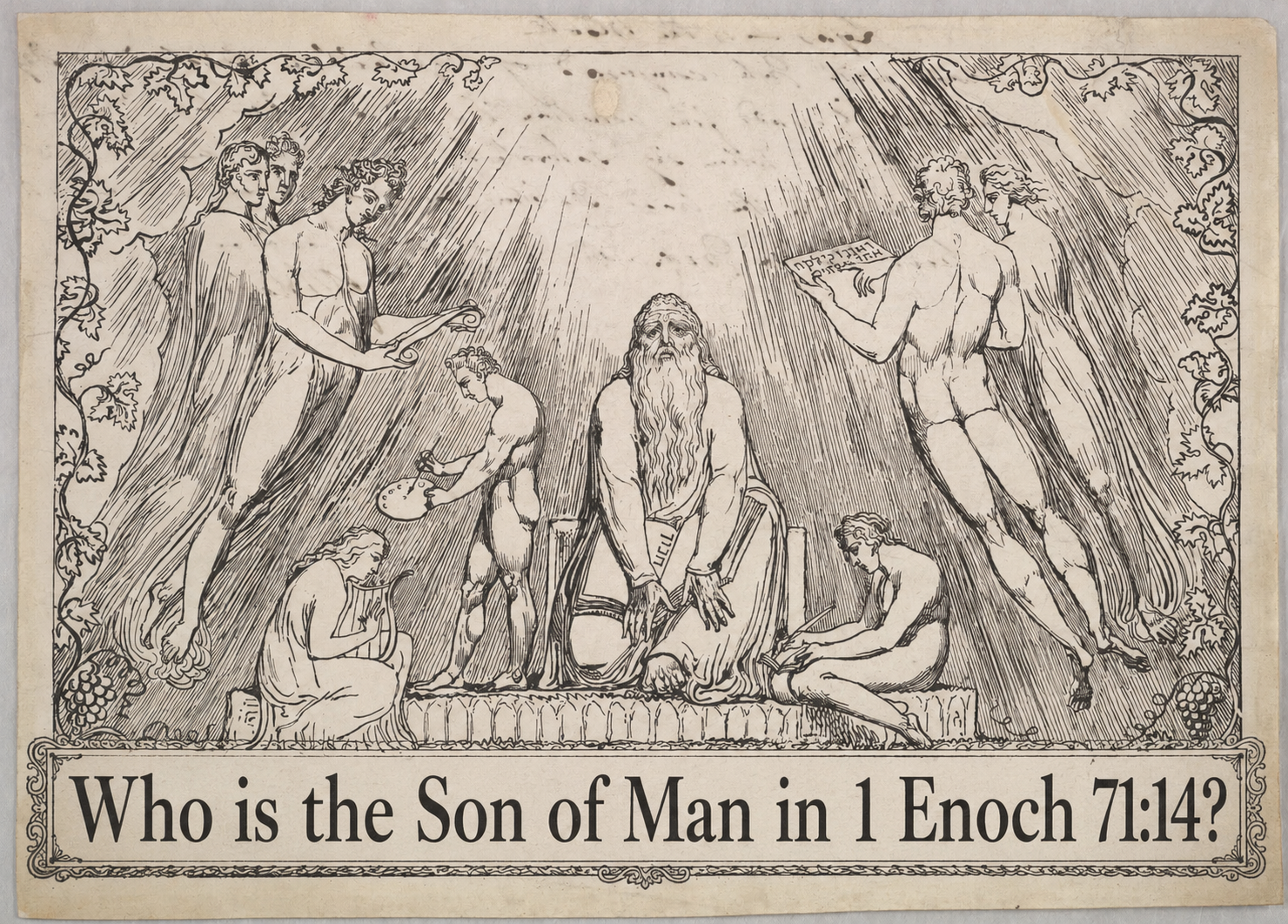
Who is the Son of Man in 1 Enoch 71:14?
In recent years, the Book of Enoch (also known as 1 Enoch) has become increasingly popular among some Christians, with many arguing that it should be regarded as inspired Scripture. While there are several reasons to reject that conclusion (as I outline in my book Pseudo-Scripture), one of the most significant is that the book contradicts Scripture regarding the identity of the Messiah. Indeed, the Book of Parables (1 Enoch 37–71), particularly 1 Enoch 71:14, identifies Enoch himself as the exalted Son of Man. This article presents the evidence for this reading of the text and addresses the objections commonly raised against it.

Does the Torah Prohibit Polygamy? An Examination of Leviticus 18:18
In this article, I argue that the Torah gives us a direct prohibition against the practice of polygamy in Leviticus 18:18.

When a Biblical “Day” Begins and Ends
Someone recently asked me about when the Bible says a day begins and ends. For those of us who observe the Sabbath and the biblical feast days, this is certainly a relevant question.

A Challenge to Christian "Flat Earthers"
If you are a flat earther, I ask that you prayerfully consider this argument and receive it with the love intended.

5 Reasons Christians Should Study Apologetics
What is “apologetics” and why is it so important that Christians study it?
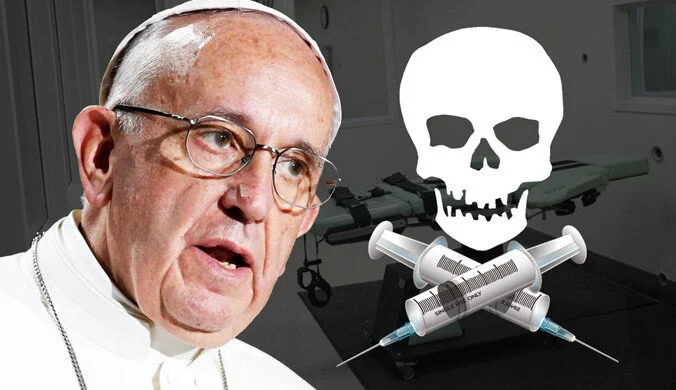
Why the Pope is Wrong About the Death Penalty
The Pope said the death penalty is inadmissible in all cases and an attack on human dignity. Here is why he is wrong.

Why God's Name is Not Yehovah
The pronunciation of God’s four-letter name, יהוה, known as the Tetragrammaton (meaning “four letters”), is a controversial subject in some religious circles. That is because no one knows for sure how to pronounce it, and yet there are no shortage of confident assertions. This article will focus on why one confidently asserted pronunciation—that is, “Yehovah”—is incorrect and based on a misunderstanding of a Jewish scribal custom.

5 Reasons to Avoid the Flat Earth Controversy
Here are five reasons that believers should avoid Flat Earthism.

Debate Recap: Should Christians Keep the Torah?
Recently I was blessed to participate in an hour-long formal debate on the role of Torah in the lives of Christians. My opponent in the debate was Tony Yu, founder of the popular Facebook page, “Hebrew Roots Heresy.” The debate was hosted and moderated by Josh Tolley of The Josh Tolley Show.

In The Beginning: God
If you start reading the Bible from the beginning of Genesis, you can’t even get four words in without being confronted with two profound truth claims. First, there was a beginning. Second, God exists.

Responding to Dr. Michael Brown on the Dietary Laws
Should Christians observe the dietary laws? Dr. Michael Brown recently gave his answer to this question in a short YouTube video. Since Dr. Brown is a highly respected theologian and Messianic Jewish/Christian apologist, I think it will be good to examine his arguments in light of biblical teaching on this topic.

Has the Levitical Priesthood been replaced?
As believers around the world are being drawn back to the roots of their Christian faith and thus embracing the lifestyle and teachings of Yeshua (Jesus) and the apostles, there are often questions about some major parts of the Torah. It’s easy for most people to acknowledge the validity of commandments like the Sabbath and dietary instructions, but what about the priesthood? What about animal sacrifices? Isn’t Yeshua our High Priest? Isn’t He our sacrifice?

Should Christians Keep the Sabbath?
Why do you suppose the majority of today’s Christians don’t keep the Sabbath the way the Bible says to keep it? Does God care about whether we keep it? Was it given only to a specific group of people before the time of Christ? Was the Sabbath changed or taken to a “spiritual” level, replacing the literal application of the commandment? This article will take a closer look at this important topic. We’ll discover what the Bible—our final authority on all matters of faith and practice—truly says about the Sabbath and how it applies to us today.