

SERMONS & VIDEOS BY DAVID WILBER
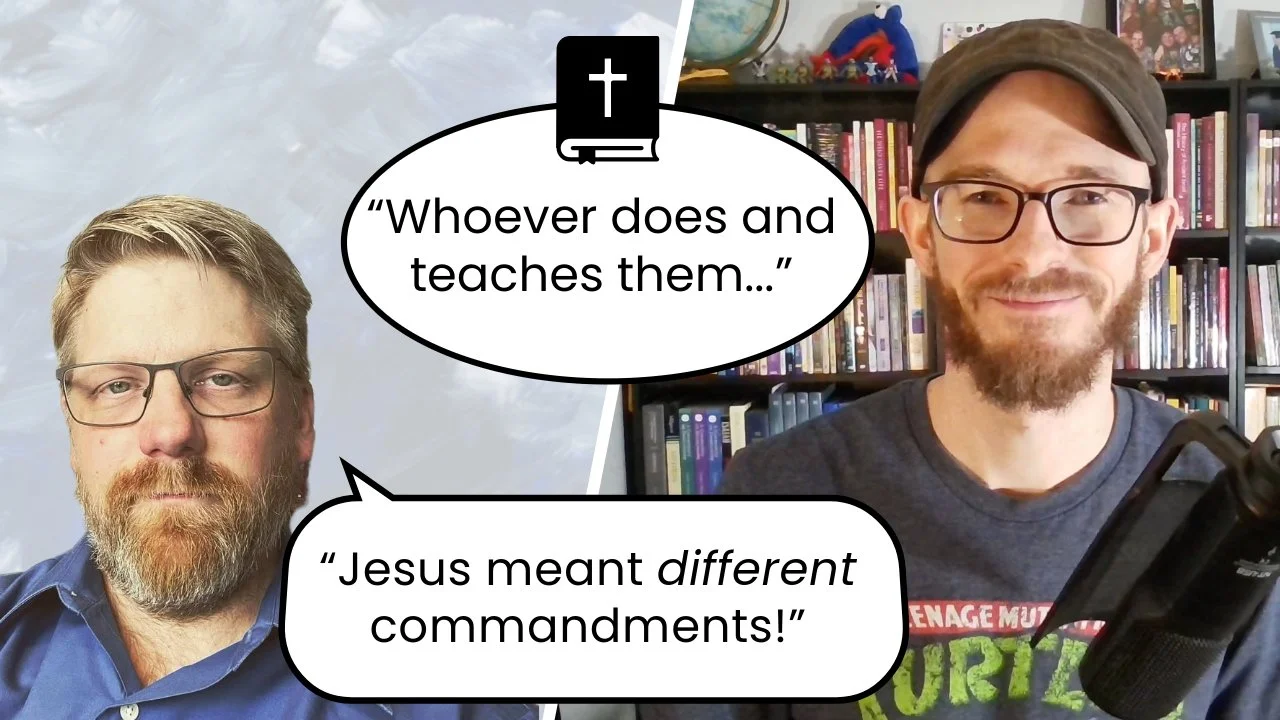
Do and Teach the Torah's Commandments (Matthew 5:19)
After declaring that he did not come to abolish the Law and the Prophets but to fulfill them, and that the whole Law of Moses will remain in effect as long as heaven and earth exist (Matthew 5:17-18), Jesus urges his followers to obey and teach the Torah’s commandments (Matthew 5:19). In this video, we will look at Matthew 5:19 and unpack Jesus's warning against disregarding the Torah's commandments and his call to be great in the kingdom by doing and teaching them. We will also address the claim that Jesus was not referring to the Torah's commandments in Matthew 5:19 and explore why the context contradicts that interpretation.

Celebrate the Festival (1 Corinthians 5:7-8)
In 1 Corinthians 5:7-8, Paul instructs his Jewish and Gentile readers at Corinth to celebrate the festival of Passover. What is the significance of this instruction?

Let No One Judge You: Sabbaths, Festivals, and Foods (Colossians 2:16-17)
Colossians 2:16-17 is often cited to argue that the Sabbath, festivals, and food laws are no longer relevant for believers, seen as "shadows" superseded by Christ, with Paul advising the Colossians not to let anyone judge them for disregarding these practices. However, an increasing number of New Testament scholars are challenging this interpretation. These scholars argue that the Colossians were not being judged for neglecting the Sabbath and festivals but were actually facing criticism for keeping them.

Enslaved to Sabbaths and Festivals? (Galatians 4:8-11)
In Galatians 4:8-11, Paul rebukes the Galatians for observing “days and months and seasons and years.” But what exactly does Paul mean by this phrase? The standard antinomian view interprets this passage as Paul condemning the observance of the Sabbath and biblical holy days. However, in this video, we present reasons to question that interpretation and propose an alternative understanding.

Do Messianic Jews Preach a False Gospel?
A YouTuber recently condemned Messianic Jews and other Pronomian Christians, claiming they teach a "false Gospel" due to their belief in the continued validity of the Law of Moses. However, the implications of this YouTuber's antinomian theology ultimately result in condemning the Messiah and the apostles themselves.

Did Christ Abolish the Law of Moses? (Ephesians 2:15)
Does Ephesians 2:15 say that Christ abolished the Law of Moses, or is Paul referring to something else? In this video, we challenge the antinomian interpretation of this passage and offer a pronomian alternative.

Sin Sacrifices: A Question That “Topples” Torah Observance?
Messianic Jews and other Pronomian (Pro-Law) Christians believe that the Law of Moses is a vital part of our faith practice. However, not everyone agrees with this perspective. One prominent critic of this theology claims to have devised a single yes or no question that “topples” what he calls "Torahism," by which he means the biblical doctrine that the Law of Moses remains in effect. In this video, we consider this question. (Spoiler alert: Messianic Jews and Pronomian Christians won't be chowing down on pork bacon anytime soon.)
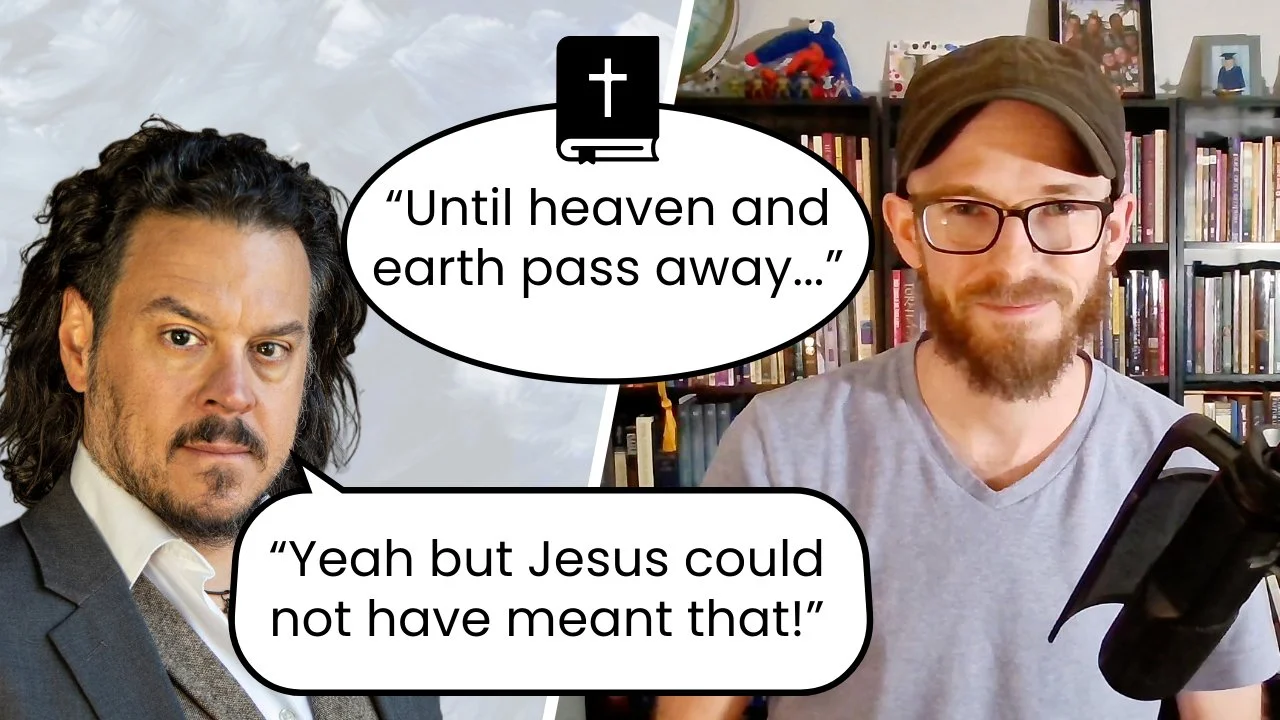
Until Heaven & Earth Pass Away, the Law of Moses Will Stay (Matthew 5:18)
Did Jesus bring the Law of Moses to an end, or did he want his followers to obey it? As we learned in our previous video, Jesus makes it clear in Matthew 5:17 that he did not come to invalidate the Law’s authority but rather came to teach and demonstrate the correct way to obey it. This statement alone is sufficient to dismiss any claims that Jesus did away with the Law. But he doesn’t stop there. In Matthew 5:18, he goes on to declare that the whole Torah will remain as long as heaven and earth exist. In other words, it will not be going away any time soon. In this video, we will delve into the significance of Jesus’s statement that nothing will pass from the Law “until heaven and earth pass away” and “until all is accomplished.”

Rabbi Tovia Singer is Wrong About Paul's Position on the Law of Moses
In a recent video, Rabbi Tovia Singer argues that Paul detested the Law of Moses and taught that Christians don’t need to keep it. However, Rabbi Singer’s objection relies on an outdated, antinomian reading of Paul, which does not accurately reflect the true Paul depicted in the Pauline epistles and Acts. In this video, we address Rabbi Singer’s claims and clarify Paul’s stance on the Law of Moses.
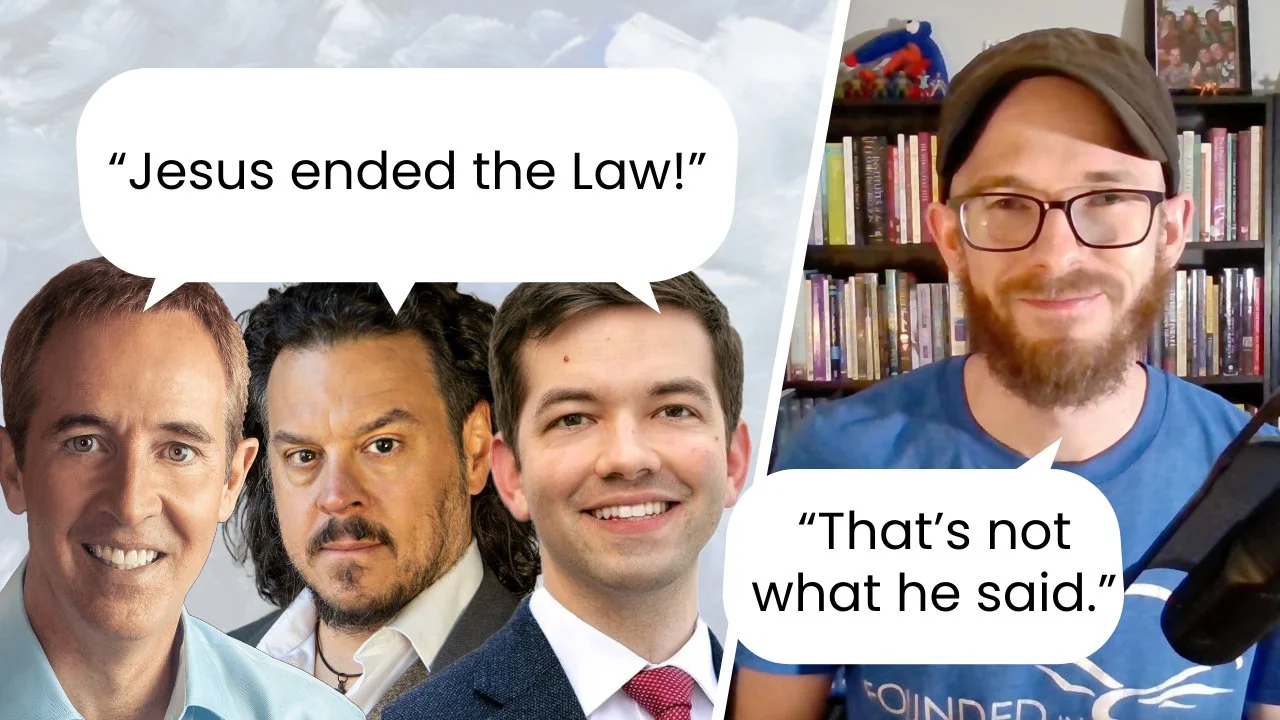
What it Means to Fulfill the Law of Moses (Matthew 5:17)
What did Jesus teach about the Law of Moses? Did he say that he came to bring it to an end, or did he want his followers to obey it? Matthew 5:17-20 is a key passage that speaks to this question. In this video, we focus on verse 17, where Jesus says, “Do not think that I have come to abolish the Law or the Prophets; I have not come to abolish them but to fulfill them.” We explore what Jesus meant by the terms “abolish” and “fulfill.”
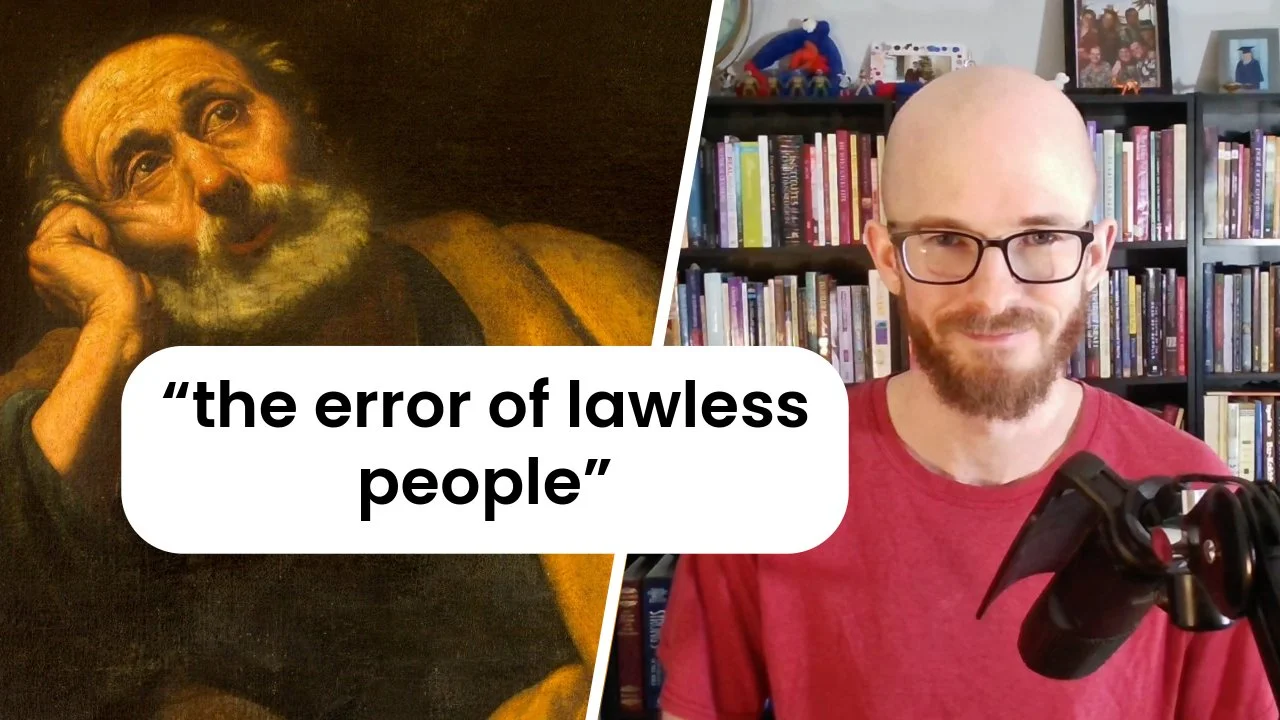
Peter's Warning About the Antinomians Who Twist Paul's Letters (2 Peter 3:15-17)
In 2 Peter 3:15-17, Peter warns that Paul’s letters contain content that is “hard to understand” and which “the ignorant and unstable” misinterpret. He then connects the mishandling of Paul’s letters to “lawless people.” In this video, I argue that 2 Peter 3:15-17 represents Peter’s warning regarding antinomians (individuals who reject God’s law) who misinterpret passages in Paul’s letters to advocate for lawlessness.
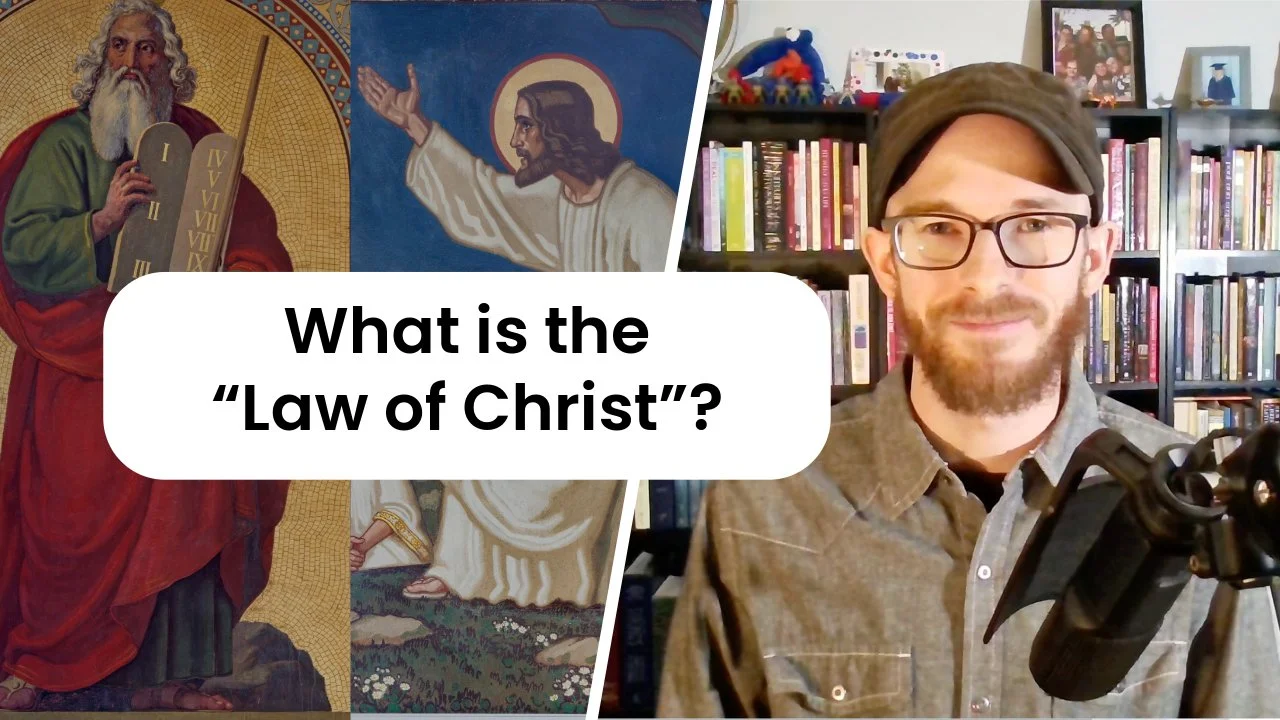
The Law of Christ vs. the Law of Moses? (Galatians 6:2; 1 Corinthians 9:21)
The expression “law of Christ” appears only two times in the New Testament (Galatians 6:2; 1 Corinthians 9:21). Traditionally, interpreters have frequently understood this expression to refer to a new “law” or ethic that supersedes the law of Moses. However, there is a growing scholarly consensus that “law of Christ” directly refers to the law of Moses in some sense. This video makes a case for interpreting the phrase “law of Christ” in Galatians 6:2 and 1 Corinthians 9:21 as a reference to the law of Moses as it is taught and exemplified by Christ.

Why We Don’t Stone Sabbath Breakers
In ancient Israel, breaking the Sabbath warranted the death penalty. Some have argued that Christians who believe in keeping the Sabbath today are being inconsistent by not enforcing the death penalty for Sabbath breakers. This video addresses this objection.