Pronomian Theology:
A complete Guide
Pronomian theology affirms the ongoing authority of the Torah for followers of Yeshua. Here's what pronomianism means, what it doesn't, and where to start.
What Is Pronomian Theology?
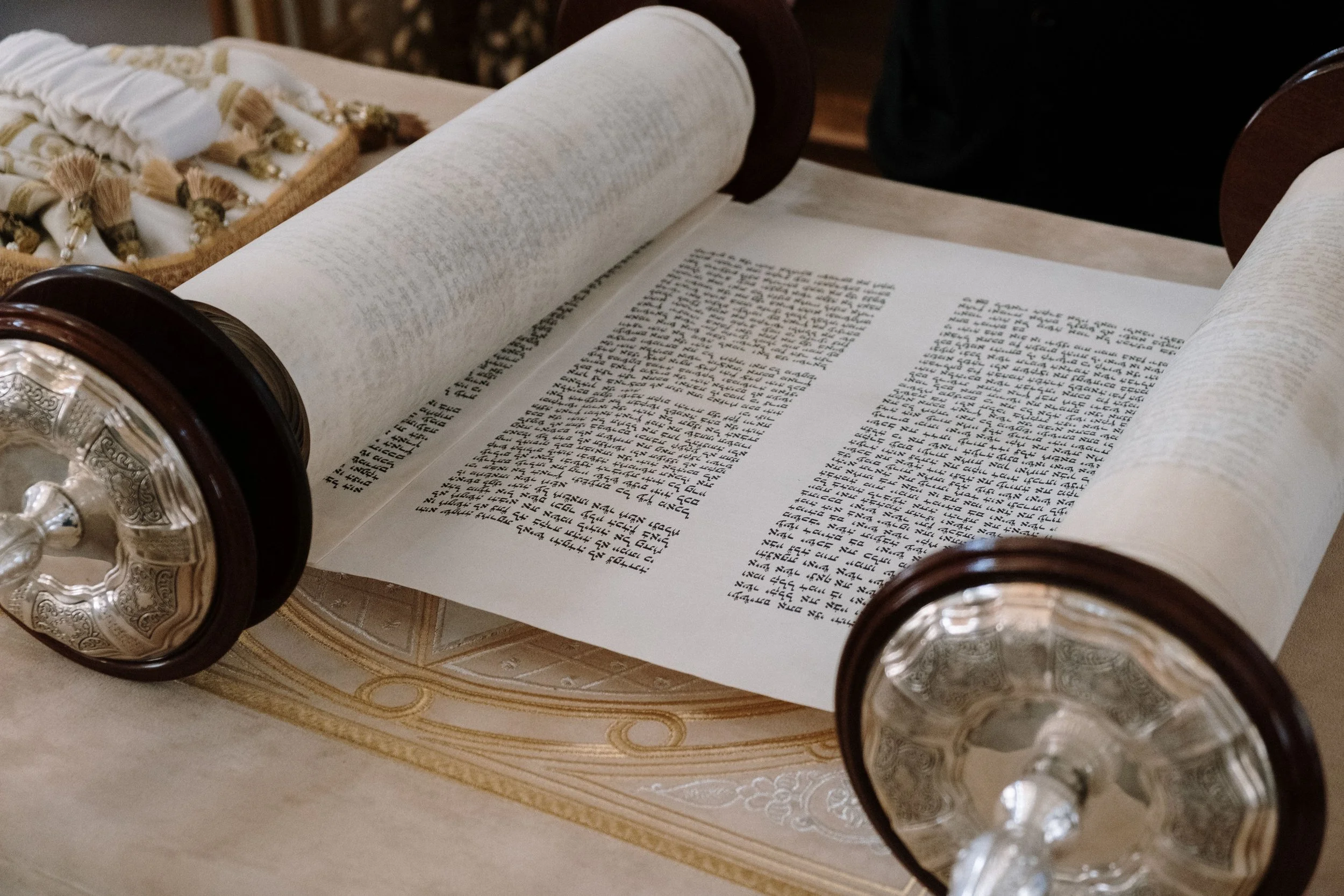
Pronomian theology, or pronomianism, is a way of reading Scripture that affirms the ongoing authority of God's Law given through Moses. Pronomians believe the Torah was not abolished by the Messiah, and that its commandments, including the Sabbath, the biblical feasts, and the food laws, remain relevant for followers of Yeshua (Jesus) today.
The word comes from the Greek πρό ("for") and νόμος ("law"). Pronomian means, simply, pro-law. It exists as a counterpart to a term most Christians already know: antinomian, meaning anti-law.
Pronomian vs. Antinomian:
A Spectrum, Not a Fence
The clearest way to understand pronomianism is to set it beside its opposite.
Antinomianism takes a negative posture toward the Law in its reading of Scripture. In its strictest form, it holds that the Law of Moses is no longer binding at all—that it has been replaced wholesale by the commands of the New Testament.
Pronomianism takes a positive posture. It reads Scripture as affirming that the commandments God gave through Moses remain in force.
But it would be a mistake to treat these as two boxes with everyone sorted into one or the other. They are better understood as two ends of a spectrum, with most Christians somewhere in between—and most of them have never thought to ask which end they are closer to.
Almost everyone agrees the Law still applies to some extent. Pronomian theology simply presses the question further: on what basis do we decide which commandments expired?

The Law of Moses vs. the Law of Christ?
The Law of Moses vs. the Law of Christ?
The Law of Moses vs. the Law of Christ?
What Pronomians Actually Believe
Pronomianism is not a creed or a denominational statement. It is a hermeneutic — a way of approaching the text. But those who hold it tend to share a set of convictions.
The Torah was not abolished
Yeshua said plainly that he did not come to abolish the Law or the Prophets (Matthew 5:17), and that not the smallest stroke would pass from the Law until heaven and earth pass away (Matthew 5:18). Pronomians take that statement at face value.
Obedience is a response to salvation, never a means of earning it
Salvation comes by grace through faith in the Messiah. Keeping the commandments is what love and gratitude look like in practice — not a payment, not a bargaining chip. This is the point pronomians are most often accused of denying, and the one they are most emphatic about.
The commandments still function as the standard of righteousness
The Law defines sin. It has not been swapped out for a different or lesser ethic.
That includes the commandments most Christians skip
Sabbath, the biblical feasts, and the clean and unclean food laws are understood as commandments to be kept literally, not as symbols that dissolved once their meaning was explained.
The apostles were Torah-observant Jews, and Paul was not the exception
Read in context, Paul's letters do not overturn the Law. They address specific controversies — chiefly, whether Gentiles must convert to Judaism to be saved — and the answer to that question was never "and therefore the Torah is void."
Go deeper
What Pronomian Theology Is Not
More misunderstanding attaches to this term than to almost anything else discussed on this site. Five clarifications.
It is not legalism
Legalism is the belief that obedience earns standing before God. Pronomian theology denies this outright. A person is saved by faith in the Messiah alone. Obedience follows salvation; it does not produce it. Calling Torah-keeping "legalism" collapses a distinction the New Testament itself is careful to maintain.
It is not the Hebrew Roots Movement
These get conflated constantly, and the conflation costs pronomianism a fair hearing. The Hebrew Roots Movement is a loose network associated with a range of distinctive claims — sacred-name doctrines, rejection of the New Testament's transmitted text, conspiracy theories about the canon, and in some corners, hostility toward Judaism itself. Pronomian theology carries none of that baggage. It is a position about how to read the Bible, and it is compatible with historic Christian orthodoxy.
What Is the Hebrew Roots Movement? (And Why I Don't Identify With It)
It is not a denomination
There is no pronomian church body to join. You can hold a pronomian theology while attending a Methodist congregation on Sunday and keeping the Sabbath at home from Friday evening to Saturday evening. Entire non-denominational churches have adopted pronomian convictions — meeting on the Sabbath, keeping the feasts, observing the food laws — without affiliating with any Messianic organization. Pronomianism travels with the reader, not the roster.
It is not a package deal with other theological positions
Continuationists and cessationists can both be pronomian. So can premillennialists and postmillennialists. A pronomian reading of Scripture may incline someone toward certain views elsewhere, but it does not require adopting any unrelated theological position.
It is not anti-Jewish, and it is not anti-Paul
Pronomian theology reads Paul as a faithful Jewish apostle rather than as the man who ended the Law. It affirms God's ongoing covenant faithfulness to the Jewish people. Where sacred-name movements or replacement theologies have attached themselves to Torah-observance in the popular imagination, pronomianism is a deliberate correction, not a variant.

Mary’s perpetual virginity was taught very early and remained the mainstream Christian position for well over a thousand years. Yet most Protestants today reject it because they believe Scripture clearly shows that Mary did not remain a virgin after giving birth to Jesus. I think this history offers an instructive parallel to the question of Sabbath observance. How much weight should longstanding Christian tradition carry when it seems to conflict with a straightforward reading of Scripture?