

Ha'azinu
Torah Reading: Deuteronomy 32:1-32:52
Ha'azinu | האזינו | Listen
Torah Reading: Deuteronomy 32:1-32:52
This Torah Portion consists mostly of the Song of Moses, a prophetic warning about Israel’s punishment for their sins as well as a promise of God’s ultimate redemption. The parashah concludes with Moses’ death foretold.
Articles on Ha'azinu:
Video Teachings on Ha'azinu:

Vayelech
Torah Reading: Deuteronomy 31:1-31:30
Vayelech | וילך | He went
Torah Reading: Deuteronomy 31:1-31:30
In this Torah portion, Moses encourages Israel to be “strong and courageous” and reminds them that God will be with them as they enter the Promised Land. Moses also instructs Israel to read the Torah to all the people every seven years. The Torah Portion concludes with God telling Moses that he would soon die, so God instructs Moses to write a song as a witness against the people of Israel.
Articles on Vayelech:
Video Teachings on Vayelech:
Nitzavim
Torah Reading: Deuteronomy 29:9-30:20
Nitzavim | נצבים | Standing
Torah Reading: Deuteronomy 29:9-30:20
In this Torah portion, Moses tells the people of Israel that they stand before God to enter into Covenant with him. He speaks of curses that would come as a result of violating this covenant but that forgiveness and restoration are available to all who repent. Moses goes on to teach that God’s commandments are not beyond reach, and concludes by exhorting God’s people to “choose life” by loving God and keeping his commandments.
Articles on Nitzavim:
Video Teachings on Nitzavim:
Ki Tavo
Torah Reading: Deuteronomy 26:1-29:8
Ki Tavo | כי תבוא | When you come in
Torah Reading: Deuteronomy 26:1-29:8
This Torah portion speaks of the first fruits ritual, tithes, and lists the blessings for obedience and curses for disobedience.
Articles on Ki Tavo:
Video Teachings on Ki Tavo:

Ki Tetze
Torah Reading: Deuteronomy 21:10-25:19
Ki Tetze | כי תצא | When you go forth
Torah Reading: Deuteronomy 21:10-25:19
This Torah portion consists of a series of miscellaneous laws governing war captives, inheritance, wayward sons, found property, rooftop safety, prohibited mixtures, vows, treatment of animals, levirate marriage, the fair treatment of workers, etc.
Articles on Ki Tetze:
Video Teachings on Ki Tetze:

Shoftim
Torah Reading: Deuteronomy 16:18-21:9
Shoftim | שופטים | Judges
Torah Reading: Deuteronomy 16:18-21:9
This Torah portion is primarily focused on giving a basic societal framework for ancient Israel. Moses lists laws concerning judges, kings, Levities, prophets, cities of refuge, trial witnesses, warfare, and unsolved murders.
Articles on Shoftim:
Video Teachings on Shoftim:

Re'eh
Torah Reading: Deuteronomy 11:26-16:17
Re'eh | ראה | See
Torah Reading: Deuteronomy 11:26-16:17
This Torah portion gives instructions regarding YHWH’s prescribed place of worship, a warning against idolatry, a warning against false prophets, and a reiteration of God’s laws regarding clean and unclean animals, tithes, the Sabbatical year, and the three pilgrimage festivals.
Articles on Re'eh:
Video Teachings on Re'eh:

Ekev
Torah Reading: Deuteronomy 7:12–11:25
Ekev | עֵקֶב | Consequence
Torah Reading: Deuteronomy 7:12–11:25
This Torah portion lists blessings for obeying God and warnings against forgetting God in times of prosperity. Israel is then told not to think that God is giving them the Promised Land because of their righteousness. They are reminded of the times they provoked God through their rebellion and of the events surrounding the golden calf incident. Then they are exhorted to “circumcise” their hearts and follow God’s commandments. The Parashah concludes with more promised blessings for obedience.
Articles on Ekev:
Video Teachings on Ekev:

Va'etchanan
Torah Reading: Deuteronomy 3:23–7:11
Va'etchanan | ואתחנן | I pleaded
Torah Reading: Deuteronomy 3:23–7:11
In this Torah portion, Moses tells how God prohibited him from entering the Promised Land. Then Moses exhorts Israel to obey God’s commandments and recounts the setting up of the Cities of Refuge. After that, Moses recites the Ten Commandments and the Shema, and then gives instructions regarding the conquest of the Land.
Articles on Va'etchanan:

Video Teachings on Va'etchanan:
Devarim
Torah Reading: Deuteronomy 1:1–3:22
Devarim | דברים | Words
Torah Reading: Deuteronomy 1:1–3:22
In this Torah portion, Moses recounts several events in Israel’s wilderness journey. It tells of Moses appointing elders and leaders, Israel’s refusal to enter the land because of the report of the ten spies, and the defeat of King Sihon and King Og.
Articles on Devarim:
Video Teachings on Devarim:
Massei
Torah Reading: Numbers 33:1–36:13
Massei | מסעי | Journeys
Torah Reading: Numbers 33:1–36:13
This Torah portion discusses the stages of Israel’s journey from Egypt, instructions for taking the land of Israel, laws concerning the cities for the Levites and the cities of refuge, and laws concerning the marriage of female heirs.
Articles on Massei:
Video Teachings on Massei:
Mattot
Torah Reading: Numbers 30:2–32:42
Mattot | מטות | Tribes
Torah Reading: Numbers 30:2–32:42
This Torah portion discusses laws concerning vows, the destruction of Midianite towns, and an accounting of war captives and plunder.
Articles on Mattot:

Video Teachings on Mattot:
Pinchas
Torah Reading: Numbers 25:10-30:1
Pinchas | פנחס | Phinehas
Torah Reading: Numbers 25:10-30:1
This Torah portion discusses the covenant of peace and the covenant of a perpetual priesthood given to Phinehas, a second census of the people of Israel, questions about inheritance, Moses appointing Joshua to succeed him, and instructions regarding offerings for the feast days.
Articles on Pinchas:
Video Teachings on Pinchas:

Balak
Torah Reading: Numbers 22:2-25:9
Balak | בלק | Balak
Torah Reading: Numbers 22:2-25:9
This Torah portion tells the story of Balak, who hires Balaam to curse Israel. It also tells the story of Balaam’s talking donkey and the story of how Balaam blessed Israel rather than cursing them. The parashah concludes with a story of many Israelite men committing idolatry and fornication with the daughters of Moab and Midian. Phinehas stops the plague caused by this depravity by killing one of the couples who were engaging in pagan worship.
Articles on Balak:

Video Teachings on Balak:
Chukat
Torah Reading: Numbers 19:1-22:1
Chukat | חוקת | Statute
Torah Reading: Numbers 19:1-22:1
This Torah portion gives instructions concerning the Red Heifer ritual, tells the story of Moses striking a rock, and records the deaths of Aaron and Miriam. It also tells the account of Moses holding up the Bronze Serpent, which saved the Israelites who were bitten by snakes when they looked at it. And it records the conquest of Arad, the Amorites, and Bashan.
Articles on Chukat:
Video Teachings on Chukat:
Korach
Torah Reading: Numbers 16:1-18:32
Korach | קורח | Korah
Torah Reading: Numbers 16:1-18:32
This Torah portion tells the story of Korah’s revolt against Moses and Aaron, the budding of Aaron’s rod, and the duties of the Priests and Levites.
Articles on Korach:

Video Teachings on Korach:

Shelach
Torah Reading: Numbers 13:1-15:41
Shelach | שלח | Send
Torah Reading: Numbers 13:1-15:41
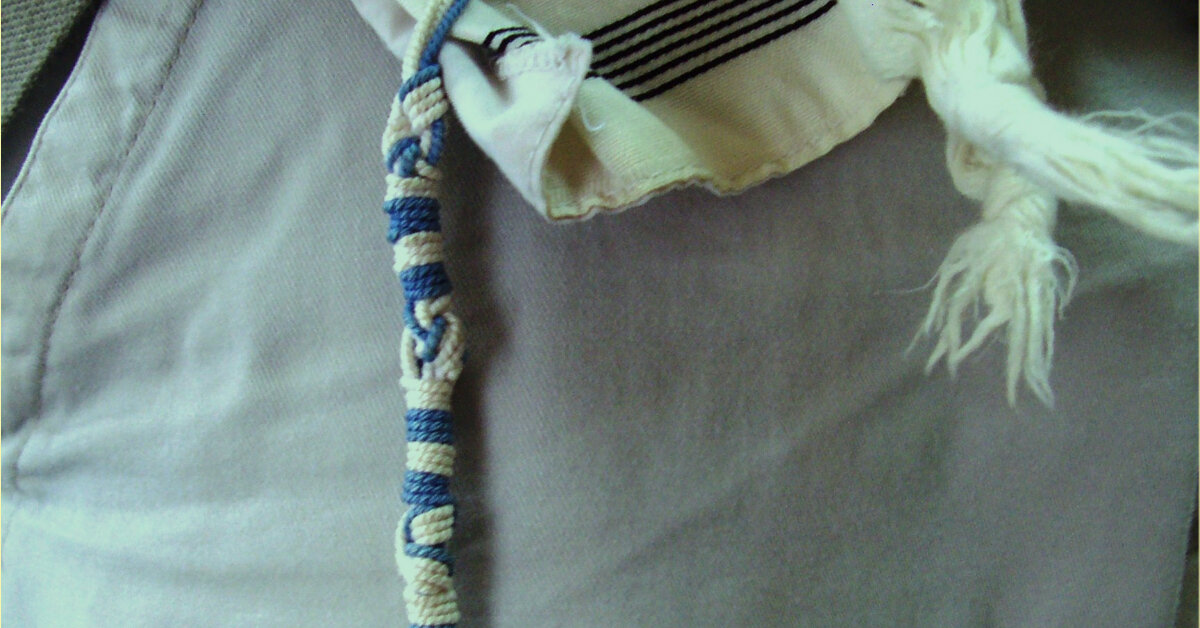
This Torah portion discusses the twelve spies who went to assess the Promised Land and came back with a bad report. This story is followed by various commandments about offerings, the story about the Sabbath breaker and his punishment, and then the commandment about wearing tzitziyot or tassels.
Articles on Shelach:
Video Teachings on Shelach:
Beha'alotcha
Torah Reading: Numbers 8:1-12:15
Beha'alotcha | בהעלותך | When you set up
Torah Reading: Numbers 8:1-12:15
This Torah portion discusses the consecration of the Levites, the Passover at Sinai, the laws concerning the silver trumpets, the Israelites departing from Sinai, the Israelites grumbling in the wilderness, and a story about Miriam and Aaron speaking against Moses because of his wife.
Articles on Beha'alotcha:

Video Teachings on Beha'alotcha:

Nasso
Torah Reading: Numbers 4:21–7:89
Nasso | נשא | Take up
Torah Reading: Numbers 4:21–7:89
This Torah portion addresses the duties of the priests, purification of the camp, laws of restitution, laws concerning the wife who is accused of adultery, laws for Nazirites, and the priestly blessing.
Articles on Nasso:
Video Teachings on Nasso:
Bamidbar
Torah Reading: Numbers 1:1–4:20
Bamidbar | במדבר | In the wilderness
Torah Reading: Numbers 1:1–4:20
This Torah portion begins with a census of the tribes of Israel and then describes the duties of the Priests and Levites.
Articles on Bamidbar:
Video Teachings on Bamidbar:


David Wilber is first and foremost a passionate follower of Yeshua the Messiah. He is also a writer, speaker, and teacher…

In addition to the articles you’ll find on this site, I’ve authored several books! I’ve written on topics ranging from women in the Bible to the biblical feast days.
We are told in 1 John 4:1 and other passages to “test” the message of a teacher or prophet to see if what they say is truly from God. The reason is that “many false prophets have gone out into the world” and are leading believers astray. What are some of the identifying marks of a false teacher/prophet?