
What Is Biblical Marriage?
One fundamental theological principle revealed in the Genesis creation accounts is that marriage, as God intended it, is to be monogamous. God calls this sacred union between one man and one woman "very good," establishing monogamy as the creational ideal for marriage. The rest of the Bible upholds this marital form as the ideal standard.

The Creational Ideal, and the New Testament's Return to It
In the institution of the first marriage in Eden, Genesis 2:24 gives the command, "Therefore a man shall leave his father and his mother and hold fast to his wife, and they shall become one flesh." Both nouns in this verse are in the singular, indicating that a monogamous union between two marriage partners is in view. The Septuagint makes this point even clearer by adding the word "two," and that added word is found in the quotations of the text in the New Testament.
The Genesis creation accounts undoubtedly establish monogamy as the ideal marital form. Polygamy comes into the picture only after sin enters the world and corrupts God's good creation. Because man disregarded God's will for marriage by entering polygamous arrangements, the Torah must address this aberration. Nevertheless, the Torah and the rest of the Old Testament affirm monogamy as the ideal marital form in accordance with God's revealed intention in creation.
Yeshua and Paul both quote from the Septuagint translation of Genesis 2:24 ("the two shall become one flesh"), which emphasizes monogamy and excludes polygamy. Yeshua's appeal to "the beginning" (Matthew 19:4–6) implies monogamy as the pattern for marriage to be followed, and his describing an illegitimately divorced man's remarriage as adultery logically condemns polygamy: if Yeshua considered polygamy to be morally valid, then a man who "divorces" his wife without a legitimate basis and marries another woman wouldn't be committing adultery; he would just be taking on an additional wife. Paul echoes the creation principle in 1 Corinthians 7:2: "each man should have his own wife and each woman her own husband." Therefore, Yeshua and Paul both uphold the creational ideal of monogamy and condemn polygamy.
Go deeper
- ArticleMonogamy: God's Creational Marriage Ideal
- VideoMonogamy: God's Creational Marriage Ideal
- TopicWhat Is Pronomian Theology?, the reading of Scripture that takes Genesis 2:24 as still binding
Perfect Will vs. Laws for a Fallen World
The single most useful idea for reading everything the Torah says about marriage comes from C. E. B. Cranfield: some elements of the Old Testament law "set forth the perfect will of God," and others, "taking into account the fact of men's sinfulness, indicate not God's perfect, absolute will, but His will in response to the circumstances brought about by human sin." Yeshua taught exactly this when he said of the divorce laws, "from the beginning it was not so" (Matthew 19:8). Divorce is not God's perfect will. But divorce happens, so the Torah has laws for handling it in the least destructive way.
Polygamy sits in the same category. "In the beginning" it was not so; marriage in creation was one man and one woman. Once people disregarded that and took second wives, there was a need for laws that protected the people damaged by the arrangement. That the Torah regulates a thing is not proof God approves of it. "God never condemned polygamy, but rather he regulated it, which means he approved of it" is a non sequitur: God also regulated wages earned from prostitution (Deuteronomy 23:18), and nobody thinks he approved of prostitution. As Tim Hegg puts it, the Torah provides a solution for the thief, restitution plus compensation, "yet in every way condemns stealing."
Go deeper
- ArticleUnderstanding the Torah’s Polygamy Regulations (Exodus 21:7-11; Deuteronomy 21:15-17)
- TopicBiblical Law, for how the Torah's other hard passages read the same way
Does the Bible Approve of Polygamy?
No. Genesis sets the pattern, and the moment the patriarchs start taking more than one wife, every narrative is accompanied by disaster, rivalry, and misery. Scripture presents polygamy as a departure from God's creational standard and never once as a blessing. The Torah's own word for a second wife is "rival" (Leviticus 18:18; 1 Samuel 1:6).
Leviticus 18:18 may prohibit it outright
"You shall not marry a woman in addition to her sister as a rival while she is alive." Many read this as banning only marriage to two literal sisters. But the Qumran community, in the Temple Scroll and the Damascus Document, cited this verse as a ban on polygamy in general, and the text supports this reading. The Hebrew phrase ishah el-achotah, "a woman to her sister," is used everywhere else in the Old Testament in the idiomatic sense "one in addition to another" and never for literal sisters. The stated reason, rivalry, is what any second wife causes, not just a sister. Read the way the phrase is read everywhere else, as Jay Sklar puts it, "verse 18 would be prohibiting polygamy in general: 'Do not marry one woman in addition to another.'"
"But the Torah regulates polygamy"
Deuteronomy 21:15–17 protects the inheritance of a firstborn son whose mother is the unloved wife. It is case law for a situation the Torah never endorses, the way the law of restitution is case law for theft. Exodus 21:7–11, the other passage cited, turns out not to be about polygamy at all: verse 8 says the master has chosen not to marry the maidservant, so "another wife" in verse 10 is another wife instead of her, and her "marital rights" (onah, a word found once in the Hebrew Bible) is cognate to the Akkadian for oil or shelter. The passage guarantees a rejected maidservant food, clothing, and shelter, or her freedom.
Go deeper
Polygamy Harms Men, Women, and Children
Modern advocates say polygamy benefits families. The data says otherwise. A two-part study of roughly a thousand people in the Bedouin-Arab community of southern Israel, where polygamy is legal and accepted, compared polygamous and monogamous households directly. First wives in polygamous marriages reported significantly more depression, anxiety, hostility, and paranoid ideation, lower self-esteem, and less satisfaction with life and marriage. Their adolescent children scored higher on nearly every measure of psychological distress, earned lower grades, and reported poorer relationships with their fathers; forty percent of the community's school dropouts came from polygamous families. The husbands fared worse too, on every mental-health indicator but one, and "nearly without exception" said they would not want polygamy for their own children.
It is no wonder the Bible condemns polygamy and invariably presents it in a negative light, or that the Torah legislates to protect the women and children damaged by it. "I have set before you life and death, blessing and curse. Therefore choose life" (Deuteronomy 30:19).
Go deeper
What Does Leviticus 18:22 Mean?
Leviticus 18:22 prohibits homosexual activity, including between consenting adults in a committed relationship. Roy Gane calls its language "devastatingly untechnical, leaving no room for ambiguity." One does not have to like the verse or agree with it, but that does not change what it says. Two readings try to narrow it. The first says it condemns only cult prostitution, because it follows the Molech verse; but Leviticus 20:13 repeats the command among the laws on incest, adultery, and bestiality, nobody limits those to a cultic setting, and the author names the cult prostitute explicitly elsewhere when he means one. The second says it condemns only rape; but 20:13 punishes both participants, which the Torah never does to a victim, and the wording is absolute where every other ancient Near Eastern law code made exceptions for role, consent, or status. Because Torah law is addressed in the masculine singular the way the Ten Commandments are, the prohibition includes women, as Paul makes explicit in Romans 1:26–27.
Does it apply today?
Yes. Yeshua affirmed the Torah's ongoing authority (Matthew 5:17–20) and sent his disciples to teach the nations everything he commanded (Matthew 28:19–20); the New Testament repeats the prohibition (Romans 1:26–27; 1 Corinthians 6:9–11). And Leviticus 18 itself says these laws were never Israel-only: God judged the Canaanite nations for the same acts, and the statutes bind "the native or the stranger who sojourns among you" (Leviticus 18:24–26). This is a standard for those who follow the God of Israel, not a weapon for judging outsiders (1 Corinthians 5:12), and sex, by the Bible's definition, belongs inside a covenant marriage of husband and wife.
Go deeper
- ArticleYes, Leviticus 18:22 Explicitly Prohibits Homosexual Activity
- ArticleAre the Torah's prohibitions against homosexual activity applicable today?
- VideoYes, Leviticus 18:22 prohibits Homosexual Behavior: Answering Objections from Progressive Christians
- VideoLeviticus 18 and Homosexuality
- VideoA Response to Dan McClellan on Leviticus 18:22 and 20:13
- VideoWhat Scripture Says About Same-Sex Relationships (An Interview with Dr. Michael Brown)
"Wives, Submit to Your Husbands"
Ephesians 5:22 is the verse critics reach for to call the Bible oppressive, and it cannot be read apart from the verse before it. Paul is using the "household code," a form Greco-Roman moralists had used since Aristotle, but he turns it inside out. The verb "submit" is not even in the Greek of 5:22; it is carried over from 5:21, "submitting to one another out of reverence for Christ." The instructions to wives and husbands are specific examples of the mutual submission asked of every believer. In the middle voice, as it appears here, hypotassō means voluntary servanthood fueled by love, the posture Paul describes in Philippians 2:3 without using the word.
The husband is "head," and that leadership is real, but it is defined by the next sentence: love your wife as Christ loved the church and gave himself up for her. Unlike the secular codes, Paul never tells the householder to rule. As Klyne Snodgrass asks, if the wife is asked to submit and the husband is asked to give himself for her, who is being asked to do more? A husband who loves his wife well rarely has to worry about his own needs being met, and never has to force compliance with bad exegesis.
Go deeper
Is God a Misogynist?
The passages critics cite as evidence that the Bible despises women tend to say the opposite once they are read in context. The ritual purity laws are the usual first exhibit, but they address men's bodies as well as women's (Leviticus 15:16), and ritual impurity in the Torah is not sin; it is a state everyone entered and left, including every priest. The "test for adultery" in Numbers 5, read in its ancient setting, protected a wife from a jealous husband by taking the verdict out of his hands and putting it in God's. The law of the slandered bride in Deuteronomy 22 punishes the slandering husband. And the Bible's account of women in the Great Commission is a story of dignity, not silence. David Wilber's book Is God a Misogynist? works through each of these passages in turn.
Go deeper
- ArticleAre the Torah's Ritual Purity Laws Sexist?
- VideoIs God a Misogynist?
- VideoUnderstanding the Test for Adultery (Numbers 5:11-31)
- VideoThe Case of the Slandered Bride (Deuteronomy 22:13-21)
- VideoCan Women Speak in Church? (1 Corinthians 14:34-35)
- VideoThe Powerful Role of Women in the Great Commission
- VideoDoes God Hate Women? - Interview with Douglas Hamp
- VideoIs the Bible Anti-Woman? - Interview with Josh Peck
Practical Questions
Is marital intimacy on the Sabbath allowed?
Yes. The prohibition comes from the book of Jubilees, not the Bible. The Sabbath page answers this one in full.
Go deeper
Common Questions About Biblical Marriage
What is biblical marriage?
A covenant union of one man and one woman who become "one flesh" (Genesis 2:24). Genesis presents it as God's design, Yeshua grounds his teaching in it (Matthew 19:4–6), and Paul builds on it (1 Corinthians 7:2; Ephesians 5:31). See the creational ideal.
Does the Bible approve of polygamy?
No. Marriage in creation was monogamous, every polygamous narrative ends in rivalry and misery, Leviticus 18:18 very likely prohibits taking any woman "in addition to another," and Yeshua's teaching on divorce and remarriage rules polygamy out. See does the Bible approve of polygamy?
Why did God allow polygamy in the Old Testament?
The Torah's polygamy laws are like its divorce laws: not God's perfect will but his response to what sinful people were already doing, written to protect the wives and children involved. "From the beginning it was not so" (Matthew 19:8). Regulating is not approving. See perfect will vs. laws for a fallen world.
Does Leviticus 18:18 prohibit polygamy?
Very likely yes. "A woman in addition to her sister" is a Hebrew idiom meaning "one in addition to another," used that way everywhere else in the Old Testament; the Qumran community read the verse as a general ban on polygamy, and the grammar, structure, and time limit of the verse support this reading.
Does Exodus 21:10 endorse polygamy?
No. Verse 8 says the master has chosen not to marry the maidservant, so "another wife" in verse 10 means another wife instead of her, and "marital rights" translates a word better rendered oil or shelter. The law guarantees a rejected maidservant food, clothing, and shelter, or her freedom.
What does Leviticus 18:22 mean?
It prohibits homosexual activity, including consensual activity in a committed relationship. The "only cult prostitution" and "only rape" readings both fail on Leviticus 20:13, which repeats the command among the laws on incest and adultery and punishes both participants. See Leviticus 18:22.
Does Leviticus 18:22 apply to Christians today?
Yes. Yeshua affirmed the Torah (Matthew 5:17–20), the New Testament repeats the prohibition (Romans 1:26–27; 1 Corinthians 6:9–11), and Leviticus 18 itself binds "the native or the stranger" and cites God's judgment on the nations for the same acts.
What does "wives, submit to your husbands" mean?
An example of the mutual submission Paul asks of all believers one verse earlier (Ephesians 5:21). The husband's headship is defined as giving himself up for his wife as Christ did for the church. See "wives, submit".
The Book on Marriage and Women in the Bible
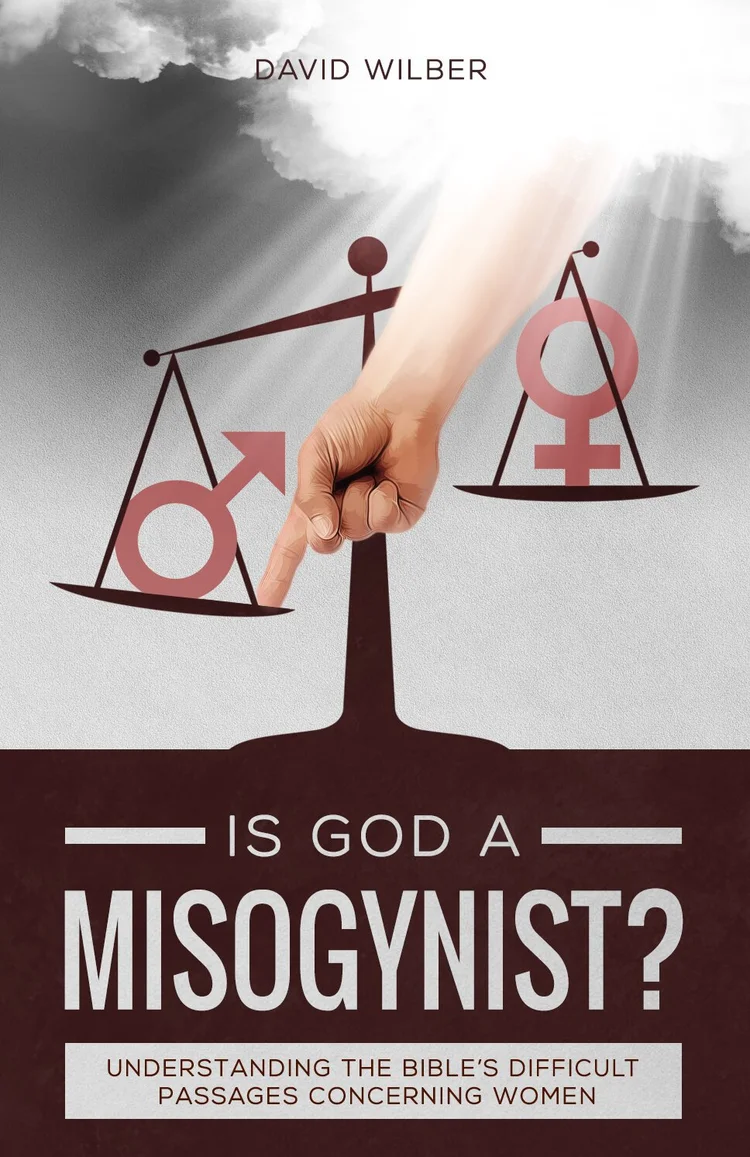 Is God a Misogynist? Understanding the Bible's Difficult Passages Concerning Women
David Wilber's full-length treatment of the passages on this page and the ones there was no room for: polygamy across the whole of Scripture, the purity laws, the test for adultery, the slandered bride, submission, and women in ministry. If someone has told you the Bible hates women, this is the answer.
Further study
Resources
- ArticleThe Bible is Unambiguous on Abortion, on Exodus 21:22–25 and Numbers 5
- BooksSee all books by David Wilber
- ShopShop Pronomian Publishing
Where to Start
- Start in Genesis. Read Monogamy: God's Creational Marriage Ideal. Everything else on this page is an application of Genesis 2:24.
- Learn the one distinction. Understanding the Torah’s Polygamy Regulations (Exodus 21:7-11; Deuteronomy 21:15-17) explains why the Torah regulates things it condemns. It unlocks the divorce laws, the slavery laws, and the polygamy laws at once.
- Then take the passage you were asked about. Yes, Leviticus 18:22 Explicitly Prohibits Homosexual Activity, Does the Torah Prohibit Polygamy? An Examination of Leviticus 18:18, or Understanding Submission in Marriage (Ephesians 5).
- Then read the book. Is God a Misogynist? for the whole case in one place.