

ARTICLES BY DAVID WILBER
Did God Allow Noah to Eat Unclean Animals? (Parashat Noach)
In this week’s Torah portion, Noach (Gen. 6:9–11:32), God gives Noah permission to eat animals after the flood (Gen. 9:3). Many Christians interpret this passage to mean that Noah could eat any animal, including those later identified as unclean in Leviticus 11. But is that really what the passage teaches? When we consider the broader context of Genesis and the meaning of the underlying Hebrew terminology, there are good reasons to question this popular interpretation.
Origen on the Apostolic Decree: Why These Four Torah Commands?
Origen’s Commentary on Romans offers a fascinating perspective on the Apostolic Decree in Acts 15. Rather than seeing the Council as setting aside the Torah for Gentile believers, Origen argues that the apostles looked to the Torah itself to determine what God required of Gentiles. This article explores his reasoning concerning blood, strangled meat, and circumcision, and what it might contribute to the larger question of Gentile Torah observance.
“Do We Overthrow the Law?”: Reexamining Paul’s View of Torah in Romans
Did the apostle Paul reject the Torah (the Law of Moses) as an authoritative standard of conduct for followers of the Messiah? While many interpreters believe that he did, several passages in Romans point in a different direction. This article offers a pronomian reading of some of Paul’s statements about the Torah in Romans. In contrast to the antinomian view, a pronomian view holds that the Torah continues to function as divine instruction for believers.
Does Colossians 2:16–17 Abolish the Sabbath and Festivals?
Did Paul reject the ongoing relevance of the Sabbath and festivals prescribed in the Torah? Many cite Colossians 2:16–17 as proof that he did. However, a growing body of scholarship calls that interpretation into question. Scholars point out that the illegitimate judgment directed toward Colossian believers came from ascetics who did not observe the biblical calendar. Drawing on this scholarship, I argue that Colossians 2:16–17 does not invalidate the Sabbath and festivals but instead affirms their value.
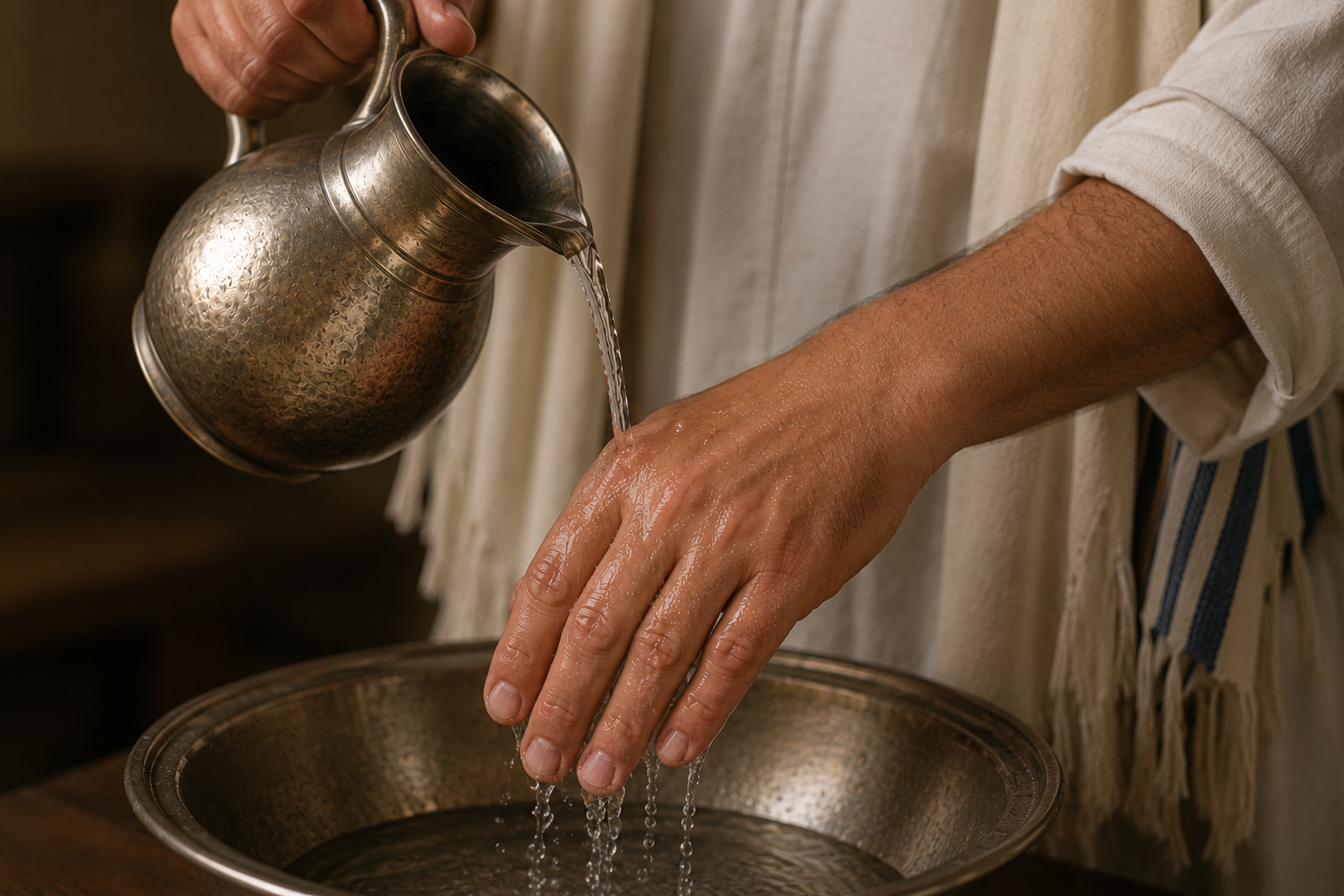
Did Jesus Reject the Torah’s Dietary Laws? (Mark 7:1-23)
Did Jesus reject the Torah’s dietary laws? Many say that he did, citing Mark 7:1-23 as proof. In this article, I will explain the problems with the traditional interpretation of this passage and offer an alternative view that presents a more consistent and accurate portrayal of Jesus’s teaching.

5 Reasons Christians Should Keep Torah
The Bible records for us that all Scripture is breathed out by God and profitable for teaching, reproof, correction, and training in righteousness (2 Timothy 3:16), but many Christians today have forgotten some very important parts of Scripture—namely, the “instructions” of God, or in Hebrew, Torah.