

SERMONS & VIDEOS BY DAVID WILBER
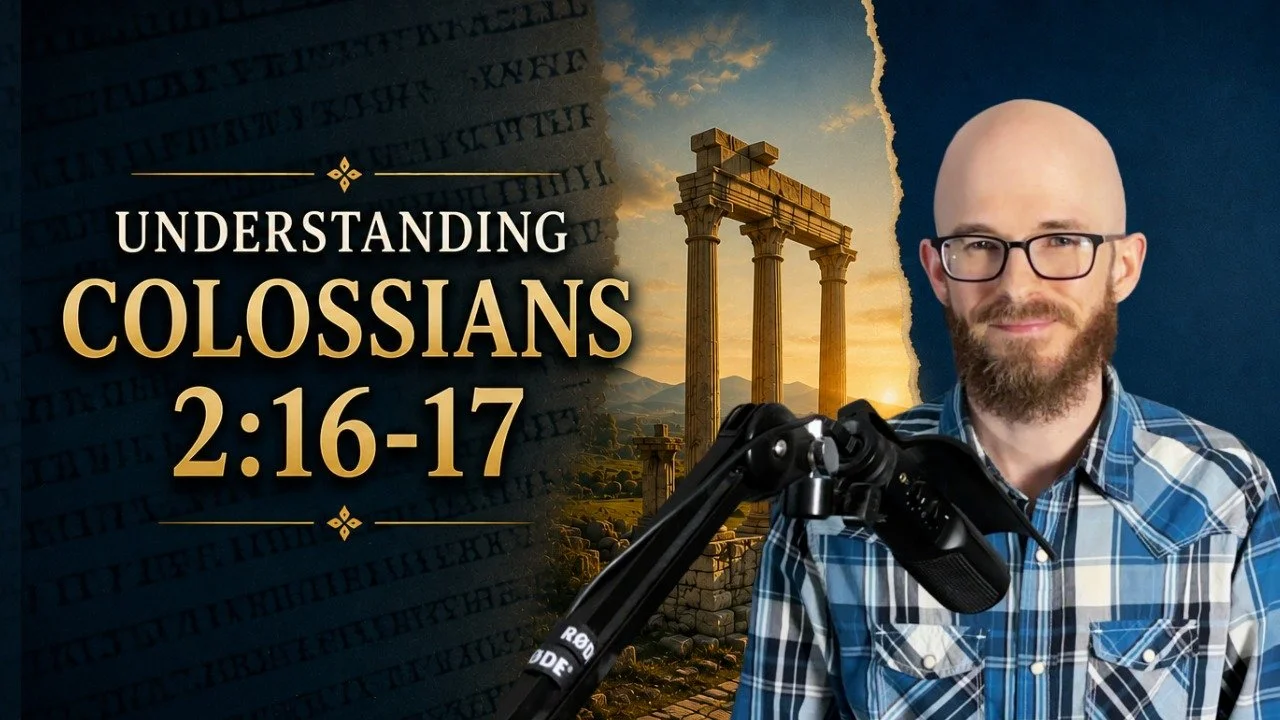
Does Colossians 2:16–17 Abolish the Sabbath and Festivals?
Did Paul reject the ongoing relevance of the Sabbath and festivals commanded in the Torah? Many people point to Colossians 2:16–17 as proof that he did. However, a growing number of scholars call that interpretation into question. Scholars argue that the Colossian believers actually observed the biblical calendar and that they were being criticized by ascetic opponents who did not. In this video, I draw on that scholarship to show why I believe that Colossians 2:16–17 does not invalidate the Sabbath and festivals but instead affirms their value.
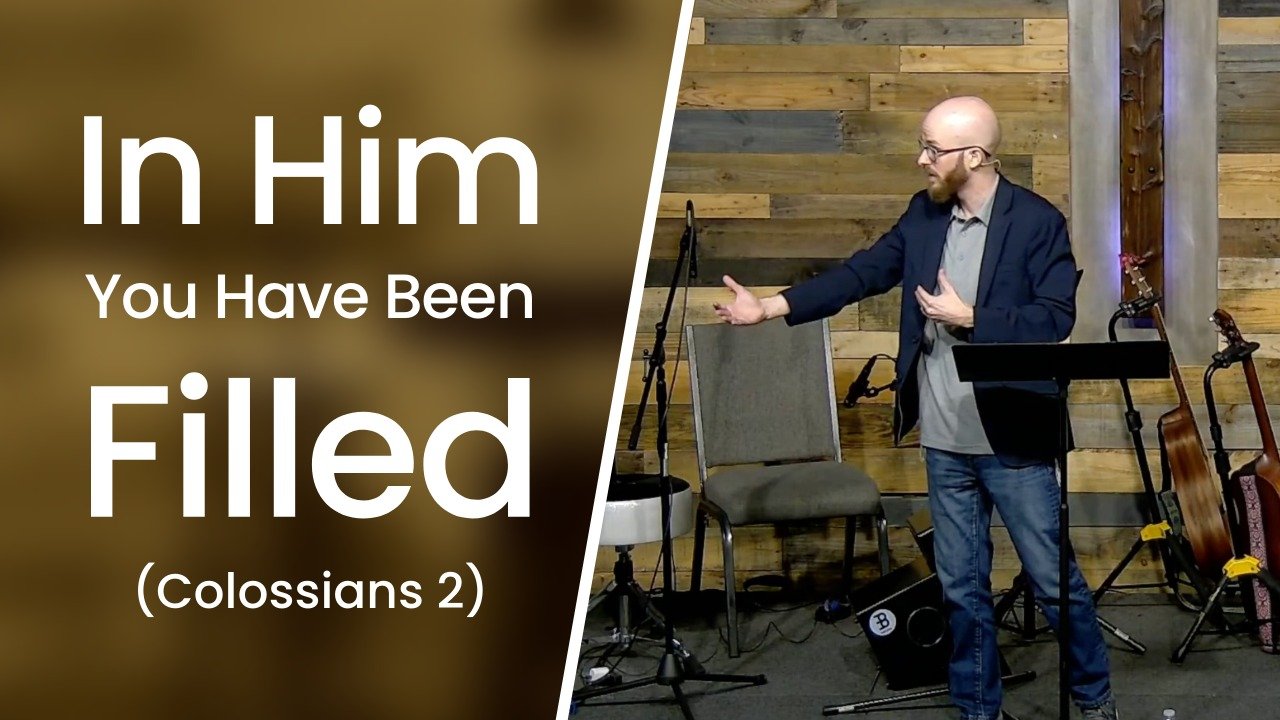
In Him You Have Been Filled (Colossians 2)
What does true fulfillment actually look like, and where is it found? In this message on Colossians 2, David Wilber unpacks Paul’s warning against deceptive philosophies that do not align with the Messiah. Instead of chasing ideas and practices that may appear wise but ultimately lack any power to restrain the flesh, Paul redirects our focus to the “fullness” believers already have in the Messiah. We also examine Paul’s instruction not to let anyone pass judgment “in matters of food and drink or with regard to a festival, a new moon, or a Sabbath.” Is Paul dismissing these Torah practices, or is there another interpretation?

Did Peter's Vision in Acts 10 Abolish God's Food Laws? (Interview w/ R. M. Bailey)
Did God revoke his food laws? Did he abolish the distinction between clean and unclean animals? Many argue that he did based on Peter’s vision in Acts chapter 10. However, recent scholarship is challenging that interpretation. In his new book, Whom God Has Made Clean: A Pronomian Pocket Guide to Acts 10:9–15, my guest, R. M. Bailey, argues that Peter’s vision isn’t about food at all. Bailey challenges popular antinomian interpretations and offers a pronomian reading that better fits both the immediate context and the broader biblical narrative. I’m excited to talk to him about this important passage.

"Nothing is Unclean"? Examining Romans 14:14 (Interview w/ Rob Vanhoff)
What did Paul mean in Romans 14:14 when he wrote, "nothing is unclean in itself"? Did he believe that the Torah's distinction between clean and unclean food had been erased? Or is he talking about something else entirely? Joining me today to discuss this is Rob Vanhoff. He is a biblical scholar, author, and instructor at TelosTorah Bible Academy. I'm excited to have Rob with us to talk about this passage.
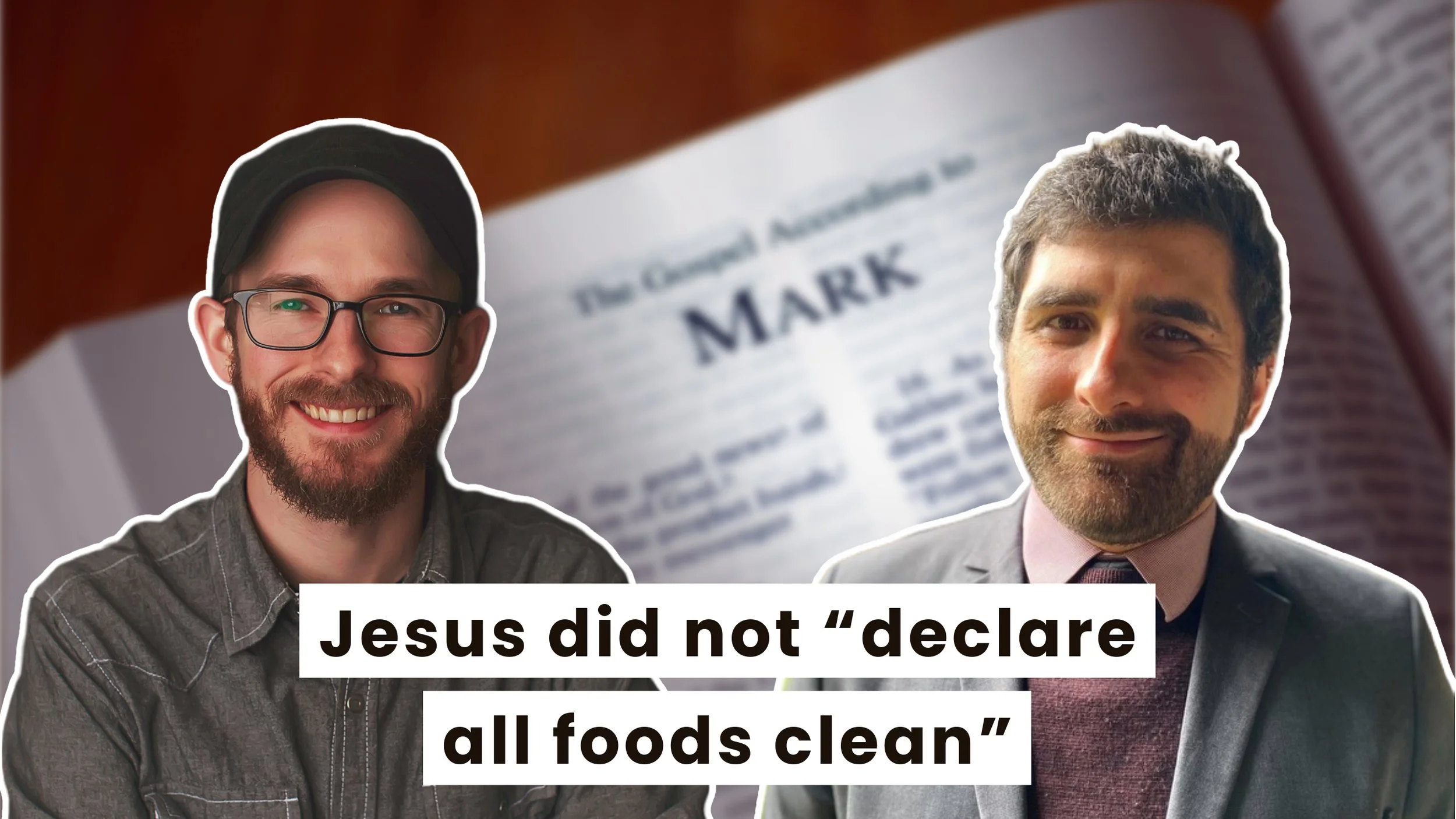
Did Jesus Invalidate the Torah’s Food Laws in Mark 7:1-23? (Interview w/ Dr. Logan Williams)
Did Jesus abolish the distinction between permitted (clean) and prohibited (unclean) food in the Torah? Many say that he did based on his interaction with the Pharisees in Mark 7:1-23. However, Dr. Logan Williams challenges this antinomian reading of Mark 7:1-23 and offers a more plausible interpretation.

Should Christians Keep the Bible’s Food Laws?
Should Christians keep God's laws concerning food? Many point to Mark 7, Romans 14, and Acts 10 to say that God's laws about food are no longer relevant. But a closer look at these passages might tell a different story.

Dr. Jason Staples on Peter's Vision in Acts 10
On this episode of Scholars on Scripture, we hear from Dr. Jason Staples regarding the meaning of Peter's vision in Acts 10. Does this vision prove that God abolished the Torah's food laws?

What Comes Out of Your Heart? (Mark 7:1-23)
In this live teaching on Mark 7:1-23, we delve into Yeshua's confrontation with the Pharisees regarding tradition, ritual purity, and what comes out of the heart. Additionally, we explore what Yeshua’s teaching in this passage might imply about the Torah’s dietary laws. Did Yeshua really abolish the distinction between clean and unclean food as many believe? Join us as we explore this and other issues in detail.

Mark 7:1-23 Revisited: A Response to R. L. Solberg regarding the validity of the Torah's food laws
Recently, R. L. Solberg made a video responding to my video on Mark 7:1-23, where I argue that Jesus did not invalidate the Torah's dietary laws. Here is my response to his response.

Did Jesus reject the Torah's dietary laws? (Mark 7:1-23)
Did Jesus reject the Torah’s dietary laws? Many say that he did, citing Mark 7:1-23 as proof. In this video, I will explain the problems with the traditional interpretation of this passage and offer an alternative view that presents a more consistent and accurate portrayal of Jesus’s teaching.

Matters of Opinion (Romans 14)
In Romans 14, Paul admonishes his readers not to pass judgment on one another over days and foods. Based on this chapter of Scripture, many believe Paul teaches that it doesn't matter whether or not believers observe the commanded holy days and dietary laws in the Torah. But is that really what Romans 14 teaches?

A Shadow of Things to Come (Colossians 2:16-17)
Does Paul teach that God's laws about the Sabbath, festivals, and foods have become irrelevant to believers in the Messiah? Many have said yes, citing Colossians 2:16-17 as proof. Let's consider this passage.

Christians and the Dietary Laws: A Response to Dr. Michael Brown
Should Christians observe the dietary laws? I differ with Dr. Michael Brown's answer to this question, so I decided to interact with his arguments.

Eating is Worship
What is the rationale for the “clean” vs. “unclean” classifications of animals in the Torah? This teaching explores what the Torah’s dietary instructions teach us.