

ARTICLES BY DAVID WILBER
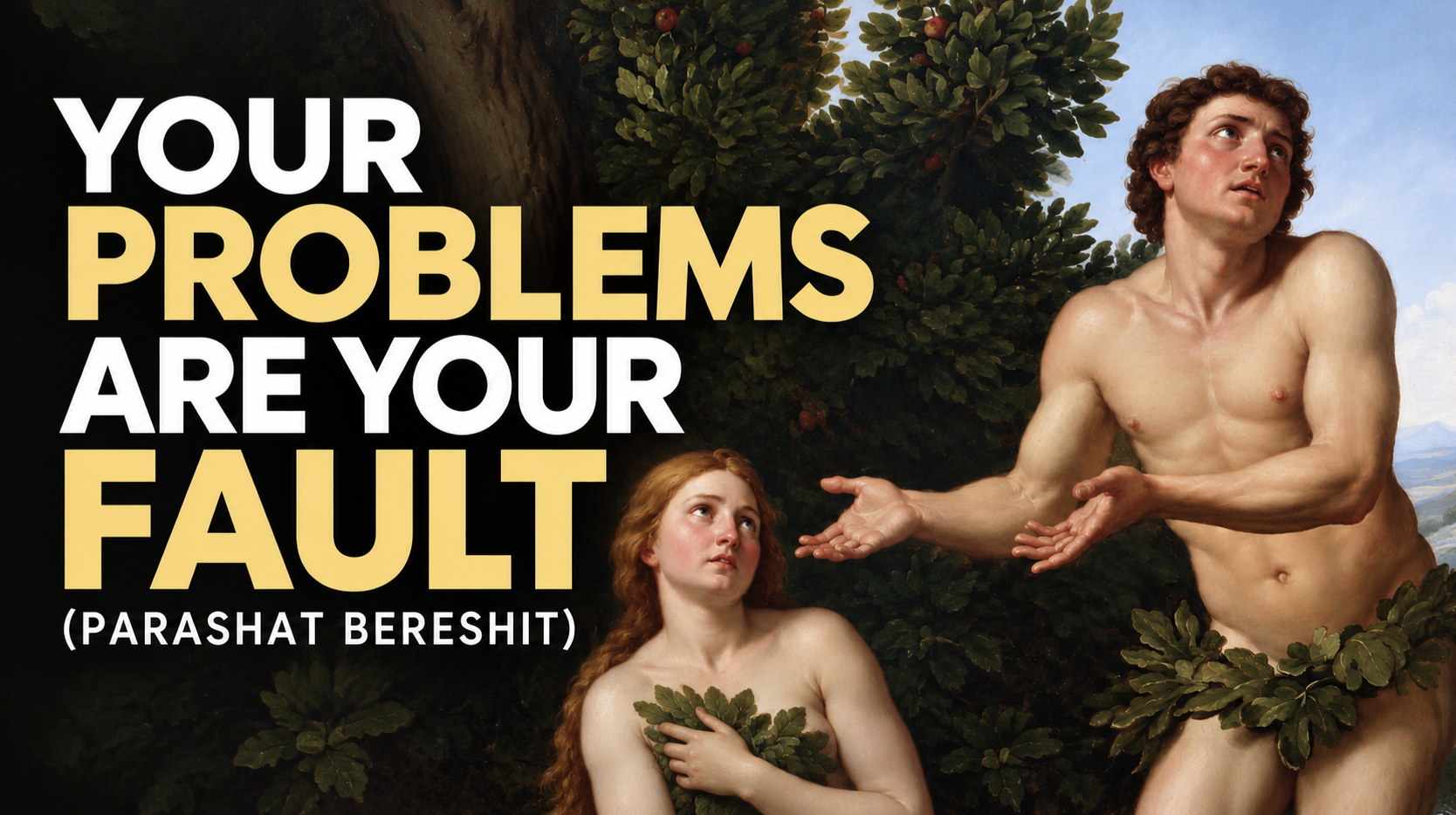
Your Problems Are Your Fault (Parashat Bereshit)
From the very beginning, human beings have been quick to blame others rather than take responsibility for their own wrongdoing. In this week’s Torah portion, Bereshit, we see how Adam and Eve’s response to their sin reveals a tendency that continues to plague humanity today. As followers of Yeshua, we are called to break this cycle of blame-shifting through humility, repentance, and personal responsibility.
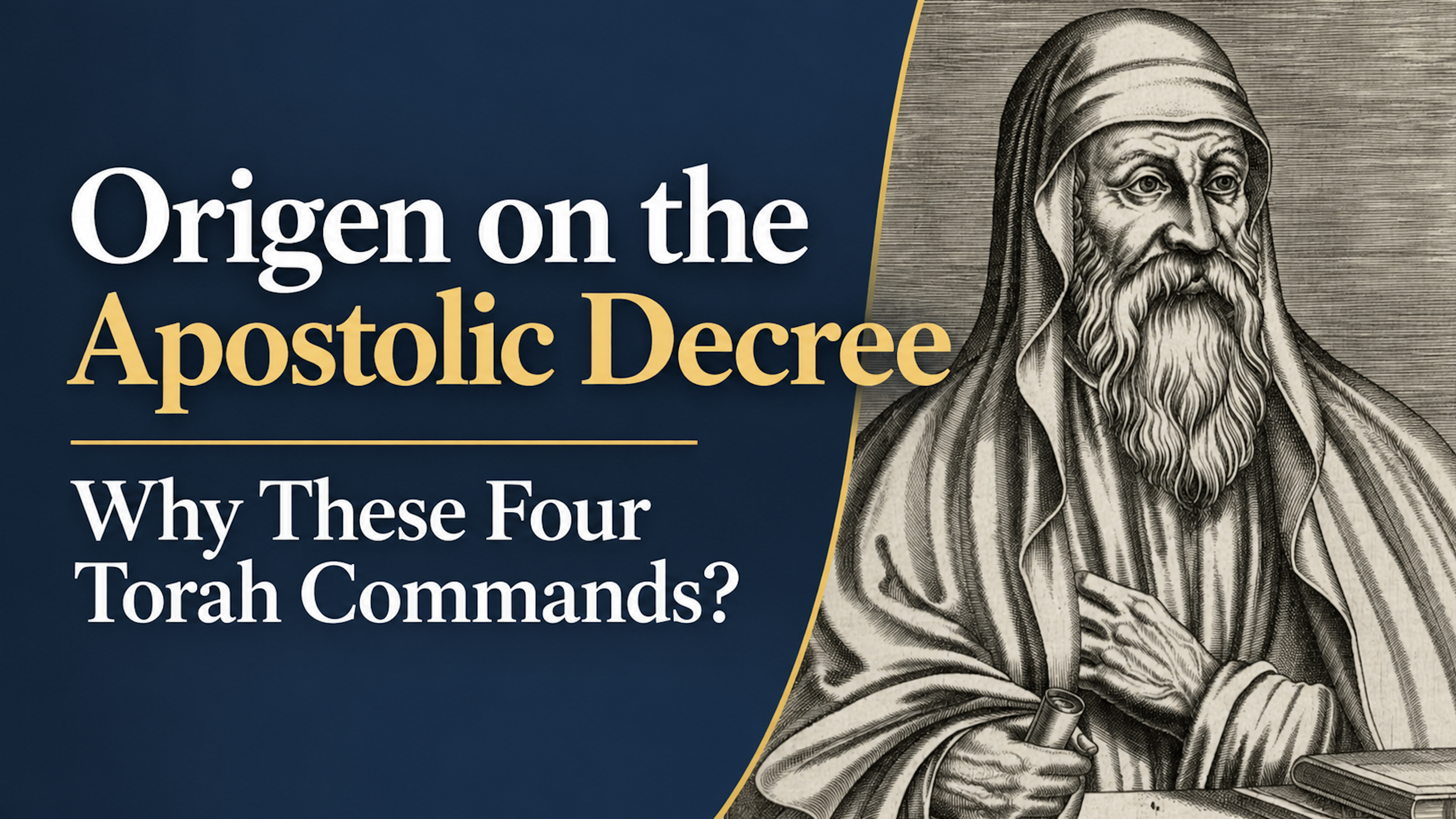
Origen on the Apostolic Decree: Why These Four Torah Commands?
Origen’s Commentary on Romans offers a fascinating perspective on the Apostolic Decree in Acts 15. Rather than seeing the Council as setting aside the Torah for Gentile believers, Origen argues that the apostles looked to the Torah itself to determine what God required of Gentiles. This article explores his reasoning concerning blood, strangled meat, and circumcision, and what it might contribute to the larger question of Gentile Torah observance.
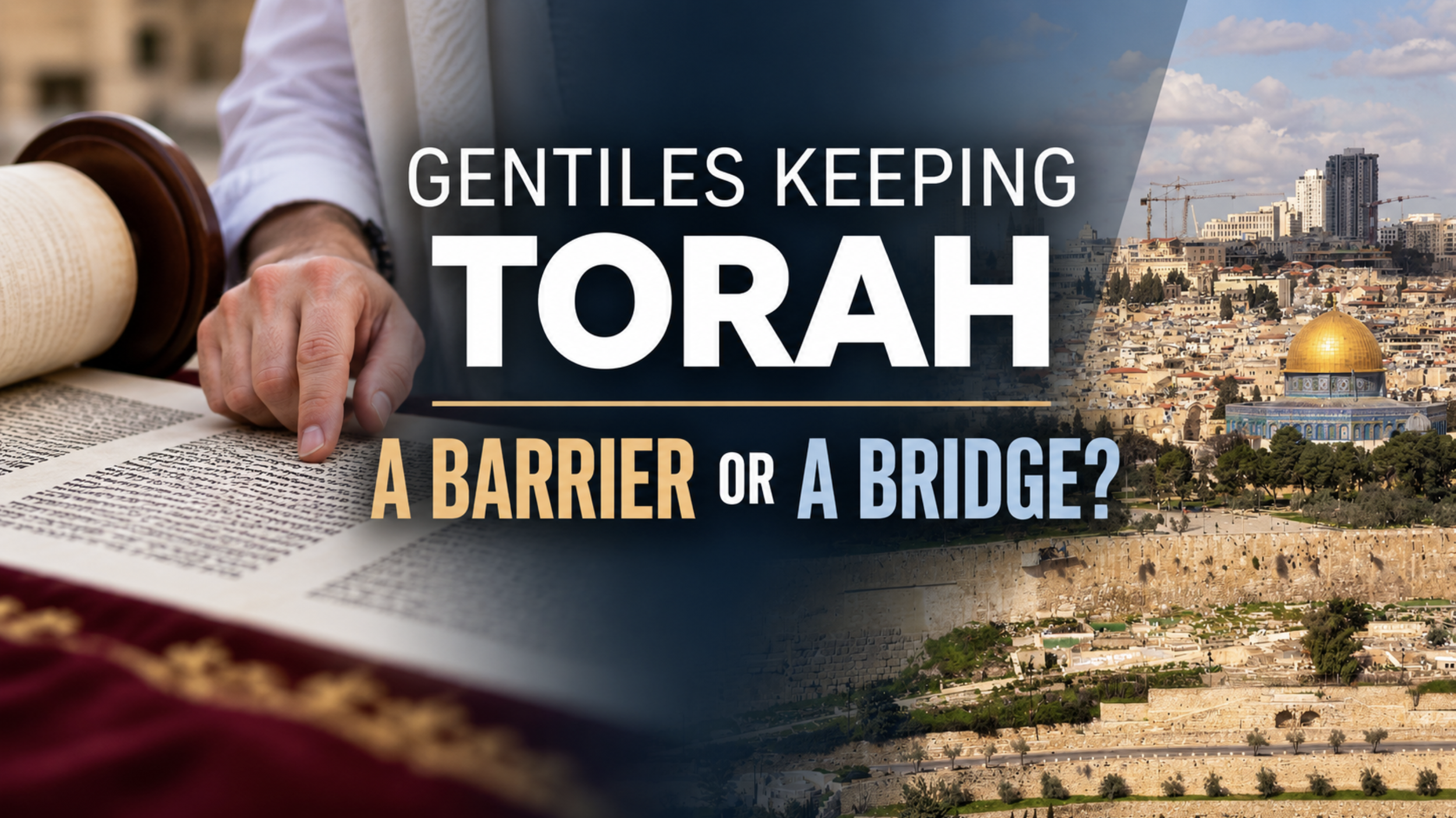
Gentiles Keeping Torah: A Barrier or a Bridge?
Can Gentile Torah observance be a bridge rather than a barrier between Jewish people and Yeshua? In this article, I consider concerns about supersessionism and Gentile Torah observance while arguing that, properly understood and practiced, it can affirm the continuing significance of Israel and offer a foretaste of the prophetic vision of the nations embracing Israel’s God and his ways.
Mary’s Perpetual Virginity, the Sabbath, and the Weight of Tradition
Mary’s perpetual virginity was taught very early and remained the mainstream Christian position for well over a thousand years. Yet most Protestants today reject it because they believe Scripture clearly shows that Mary did not remain a virgin after giving birth to Jesus. I think this history offers an instructive parallel to the question of Sabbath observance. How much weight should longstanding Christian tradition carry when it seems to conflict with a straightforward reading of Scripture?
“Do We Overthrow the Law?”: Reexamining Paul’s View of Torah in Romans
Did the apostle Paul reject the Torah (the Law of Moses) as an authoritative standard of conduct for followers of the Messiah? While many interpreters believe that he did, several passages in Romans point in a different direction. This article offers a pronomian reading of some of Paul’s statements about the Torah in Romans. In contrast to the antinomian view, a pronomian view holds that the Torah continues to function as divine instruction for believers.
What Is the Hebrew Roots Movement? (And Why I Don’t Identify With It)
I am a follower of Yeshua (Jesus) the Messiah, and I believe the Torah (the Law of Moses) remains relevant for God’s people today and should still be obeyed. So does that make me part of the Hebrew Roots Movement? There are two reasons why it does not.
Sabbath Observance in Luke-Acts: Situating the Earliest Followers of Jesus Within Judaism
This study demonstrates that Luke presents the earliest followers of Jesus as steadfast Sabbath observers, challenging the common assumption that they abandoned or disregarded this practice. By closely examining the references to the Sabbath in Luke’s Gospel and Acts, it is observed that Luke consistently depicts Sabbath worship as a standard practice among Jewish and Gentile believers. This portrayal suggests that the earliest followers of Jesus did not believe the Sabbath had been abrogated but saw it as integral to their faith and community life. These findings invite modern Christians to reconsider the relevance of Sabbath observance in their own spiritual lives. By highlighting the continuity between Judaism and the emerging Christian movement, this study contributes to scholarship on early Christian identity and practice, portraying the earliest followers of Jesus as a movement within Judaism.